In a nutshell
- 🧠 Volunteering triggers a “helper’s high,” boosting dopamine and oxytocin, and serves as behavioural activation that replaces rumination with purposeful action.
- 🤝 It converts isolation into belonging by building social capital—predictable routines, reciprocity, and community ties that buffer stress.
- ⚖️ Pros vs. Cons: Structure, skills, and efficacy vs. time creep and compassion fatigue; right-size commitments and use boundaries and debriefs to avoid burnout.
- 🧭 Practical start: Try a pilot month, buddy up, choose roles with light movement or nature, or opt for micro‑volunteering to keep efforts sustainable.
- 🇬🇧 UK angle: Align with social prescribing and locally rooted roles (parkrun, food banks, libraries, community gardens) to amplify mental health gains.
Volunteering is widely framed as altruism, but its most transformative dividend is personal: a profound lift to mental health. Whether you spend an hour at a lunch club or marshal a park run, giving time creates routines, relationships, and a sense of control. In the UK, community action increasingly sits within social prescribing, where GPs connect people to local support. The small, regular commitments you make for others often become the scaffolding that steadies your own week. Below, I explore the science, the social fabric, the practicalities, and the pitfalls—grounded in lived experience, case studies, and evidence-informed insights—so you can volunteer in ways that feel sustainable, meaningful, and mentally nourishing.
The Neurochemistry of Giving: How Helping Changes Your Brain
We often talk about the “helper’s high”, but the effect is more than a feel-good slogan. Acts of service reliably nudge the brain’s reward pathways, releasing dopamine and oxytocin, chemicals linked to bonding, trust, and motivation. That biochemical boost is paired with a psychological one: volunteering offers behavioural activation, a core technique in evidence-based therapies, which replaces rumination with purpose-driven action. When you align small, concrete tasks with your values, mood follows momentum. You may not change the world in an afternoon, but you often change the day you are living—decisively.
There is also a stress story here. Helping others can lower perceived stress by offering agency—the sense that your effort makes a dent. That matters because stress amplifies anxiety and flattens mood. Structured giving introduces light exposure, routine, and movement, all antidotes to low mood and winter drift. Crucially, the benefits compound over time: turning up weekly converts good intentions into identity—you become the kind of person who acts. Identity change is stickier than willpower, and volunteering accelerates that shift.
From Isolation to Belonging: Building Social Capital on Your Street
Loneliness is not just the absence of company; it is the absence of belonging. Volunteering stitches you back into the local tapestry by growing “bonding” ties (with people like you) and “bridging” ties (with people unlike you). In practice, that might be a weekly library reading hour or a parish repair café. These regular micro-encounters—names learned at the noticeboard, jokes shared over kettles—are the soil in which resilience grows. They provide buffering when crises hit and a gentle pressure to keep showing up on days you’d rather withdraw.
On a rain-threatened Saturday in Leeds, I watched a litter-pick morph into a street meet-up. A retired engineer shared DIY tips; a sixth-former swapped study hacks; a new arrival found a football club for her child. None of this was planned, yet it rebuilt social capital in real time. The mental health uplift here is quiet but profound: an increase in predictability (you know who’s around), meaning (you matter to others), and reciprocity (help circulates). In the end, it isn’t grand gestures but dependable neighbours that turn postcodes into communities.
Pros and Realistic Pitfalls: Why More Isn’t Always Better
Volunteering has clear upsides, but it is not a cure-all. Get the dosage wrong and the benefits can dip. The positives are plentiful: structure, contact, purpose, and tangible wins. Yet risks exist—over-commitment, compassion fatigue, and blurred boundaries—especially in emotionally intense roles. The key to lasting gains is to right-size your effort to your energy, not your ideals. Think seasons, not sprints: life changes, so your volunteering pattern should flex too. Choosing roles that match your skills and values also prevents resentment and burnout.
Consider this lens when weighing up a new role: What do I want to learn? How much time can I protect? Where are my “no’s”? Set these before you start, and share them with coordinators. Boundaries are not selfish; they are the scaffolding that keeps the whole enterprise standing. Finally, pair “doing” with debriefing: talk through tough days with a peer or supervisor to metabolise stress. A little reflection turns emotional labour into growth rather than drain.
- Pros: Clear routine; expanded network; skill growth; sense of efficacy.
- Cons: Time creep; emotional overload; role mismatch; travel costs.
- Mitigations: Fixed hours; rota rotation; peer support; expense policies.
Practical Ways to Start Volunteering Without Burning Out
Begin with a pilot month. Pick one role, one shift, and one clear outcome. Small, testable commitments give you permission to course-correct without guilt. Pair yourself with a buddy if possible; shared shifts reduce nerves and increase follow-through. Choose roles that add light movement or outdoor time to amplify the mood-lifting effect. If your week is already packed, try “micro-volunteering”: short, remote tasks with tight boundaries. Finally, reflect every four weeks—keep a three-line journal on what energised you, what drained you, and what you’ll tweak.
To help you match time to benefit, here is a simple menu of options. Use it as a springboard, not a script, and ask local coordinators about training and supervision. The best role is the one you can sustain through busy months, not just the easy ones. Remember: consistency beats intensity, and a paused role is better than a snapped one. When life shifts, your volunteering can too—no drama, just a revised rota.
| Opportunity | Time Needed | Mental Health Gain |
|---|---|---|
| Parkrun marshalling | 60–90 mins, weekly or monthly | Community contact, light exercise, routine |
| Library reading hour | 1 hour weekly | Meaning through literacy support; gentle social interaction |
| Food bank packing | 2–3 hours fortnightly | Agency and visible impact; teamwork |
| Telephone befriending | 30–45 mins per call | Connection; empathy practice; flexible from home |
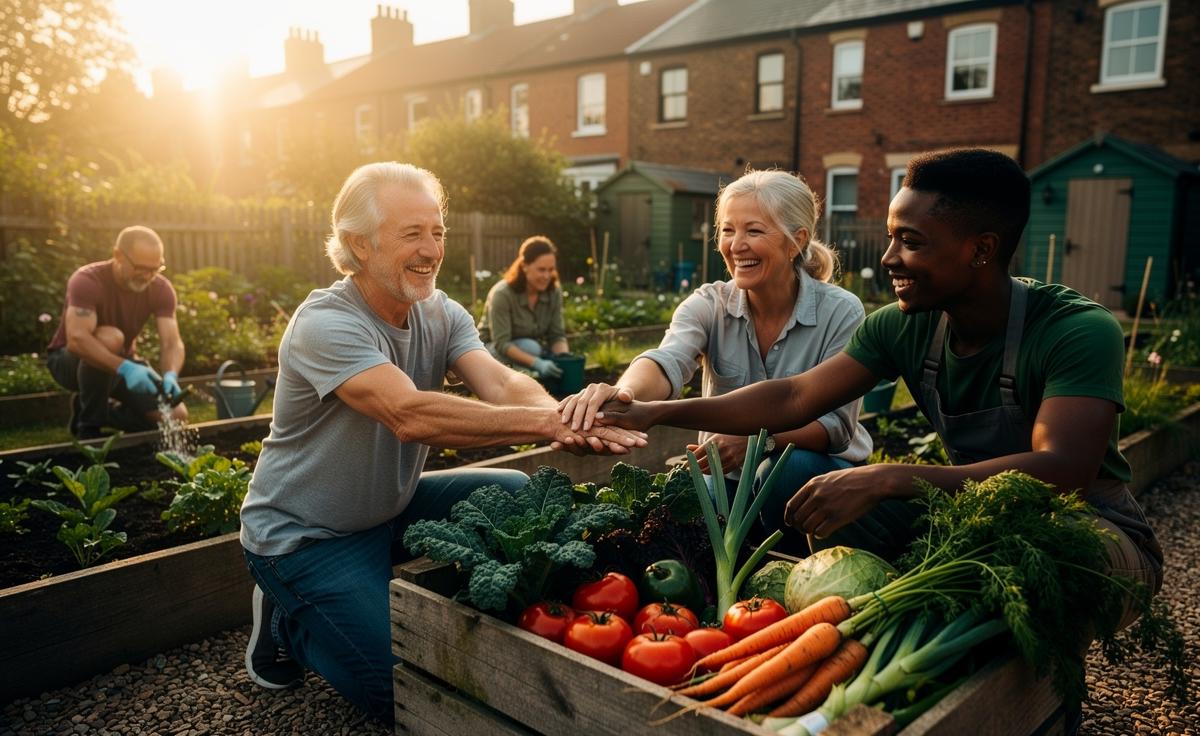
| Community gardening | 2 hours weekly | Nature exposure, movement, shared goals |
Volunteering is not a panacea, but it is a powerful, practical lever for better mental health—rooted in brain chemistry, social fabric, and the rhythms of ordinary weeks. Give in ways that fit your values and your diary, and the returns often arrive quietly but steadily. You are likely to find more than tasks completed: new friends, sharper skills, and a sturdier sense of self. What small, sustainable step could you take in your community this month—and who might you invite to take it with you?
Did you like it?4.5/5 (25)