In a nutshell
- 🧪 Why drains smell: Odours stem from biofilm, soap scum, fats, and hard-water limescale, or a dry P‑trap; the baking soda–lemon reaction lifts grime and neutralises odour compounds.
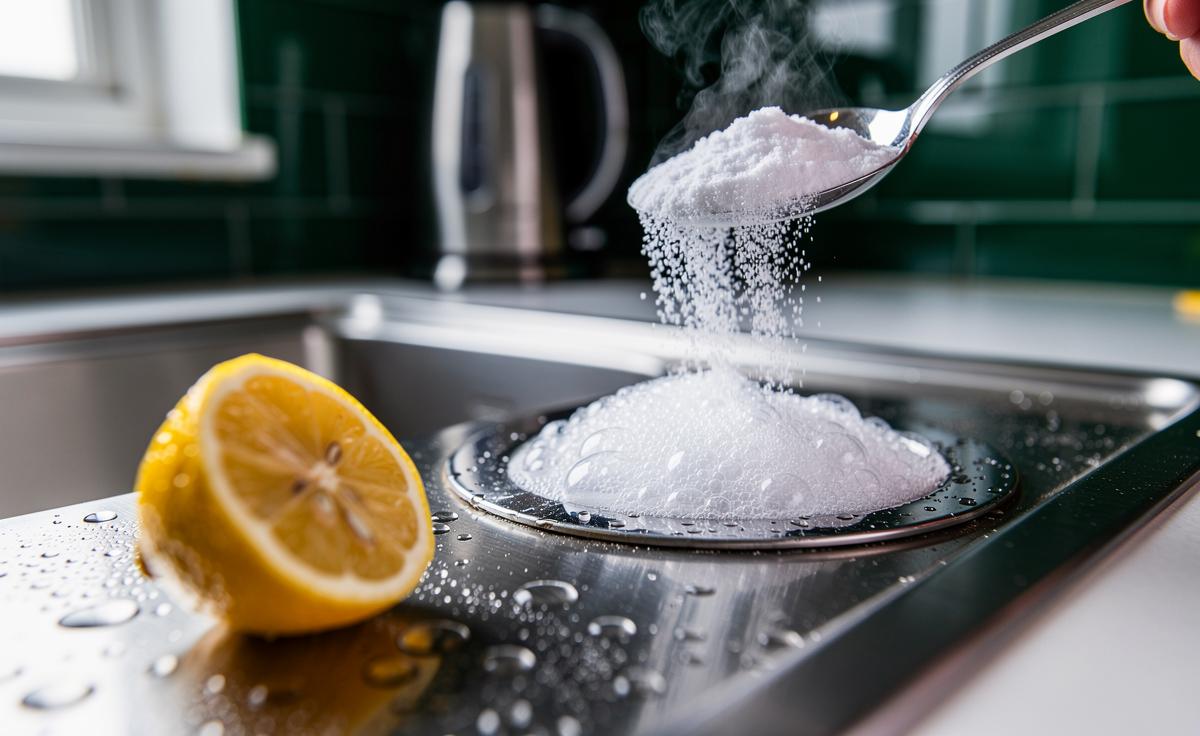
- 🧼 Step-by-step fix: Add 80–120 g baking soda, then 120–150 ml lemon juice, cover for 10–15 minutes, and flush with hot (not boiling) water; the fizz dislodges fresh debris and leaves a light citrus clean.
- ⚠️ Safety first: Do not mix with bleach or chemical openers; wipe spills off marble/limestone; for waste disposals, avoid peels and reduce acid slightly.
- ⚖️ Pros vs. Cons: Pros—low cost, low fumes, gentle descaling, pet- and pipe-friendlier; Cons—won’t clear entrenched clogs or fix venting issues; stronger isn’t always better for simple odours.
- 🛠️ Troubleshooting & prevention: Reseal the P‑trap, clean overflows and stoppers, use a drain strainer, rinse after greasy washing-up, and log symptoms; call a pro if multiple drains gurgle or smell.
In British homes, elusive drain odours have a knack for turning a sparkling kitchen or bathroom into a place you’d rather avoid. As energy costs rise and shoppers watch every pound, the best fix might be sitting in your cupboard: baking soda and lemon juice. This natural duo neutralises smells, shifts gunk, and freshens the air without the eye-watering sting of harsh chemicals. You don’t need specialist tools, either—just five minutes and a kettle. Used correctly, this method is tough on odours yet gentle on pipes, surfaces, and indoor air quality. Below, I lay out the science, the precise steps, common pitfalls, and when to escalate, drawing on reporting from households across the UK’s hard‑water heartlands.
Why Drains Smell and How Natural Chemistry Helps
Most drain odours come from a mix of biofilm—that slick, microbe-rich layer clinging to pipe walls—plus soap scum, stray fats, and, in hard-water areas, a dusting of limescale. Less commonly, the culprit is a dry P‑trap, which should hold a cushion of water to block sewage gases. When that water evaporates (think unused showers or a spare loo), smells can drift back indoors. If multiple drains smell at once, you may have a venting issue or a deeper sewer problem; don’t mask it—investigate.
The genius of baking soda (a mild alkali) and lemon juice (rich in citric acid) is twofold. First, their reaction releases carbon dioxide, a fizz that dislodges fresh grime and agitates debris in those first few centimetres of pipe. Second, the chemistry gently neutralises odour compounds while citric acid lightly chelates minerals, softening scale that traps smells. It’s not a “drain opener” for heavy clogs, but for day-to-day pong control it’s reliable, inexpensive, and kinder to pipework than corrosive alternatives. In my notebook from a South London terrace renovation, one weekly treatment cut a persistent sink smell in three days—no plumber, no safety goggles, just pantry staples.
Step-by-Step: Baking Soda and Lemon Juice Treatment
For a standard kitchen or bathroom sink, measure carefully and work methodically. Accuracy and patience amplify the cleaning effect. Use this approach:
- Pour 80–120 g (about 1/3–1/2 cup) of baking soda directly into the drain.
- Follow with 120–150 ml (about 1/2–2/3 cup) of freshly squeezed lemon juice. Expect vigorous fizzing.
- Cover the drain with a wet cloth or stopper for 10–15 minutes to keep the reaction local.
- Rinse with 1–1.5 litres of hot (not boiling) water. For PVC and modern traps, avoid boiling water.
- Optional: Rub the strainer and visible ring with half a lemon, then rinse.
| Step | Amount/Setting | Notes |
|---|---|---|
| Baking soda | 80–120 g | Dry pipe walls help it stick; wipe rim first. |
| Lemon juice | 120–150 ml | Fresh juice maximises citric acid; bottled works too. |
| Dwell time | 10–15 minutes | Cover to concentrate the reaction. |
| Rinse | 1–1.5 L hot water | Flush loosened debris without softening plastic. |
Safety notes: Never combine this method with bleach or commercial drain openers. If you’ve used a chemical recently, flush thoroughly with water and wait before trying the natural route. For sinks with waste disposal units, use the same steps but reduce lemon juice slightly and avoid fibrous peels that can tangle blades. Repeat weekly for maintenance, or twice in the first week for stubborn odours.
Pros vs. Cons Compared With Chemical Cleaners
As a home fix, the baking soda–lemon duo is disarmingly capable, but it isn’t magic. Here’s a balanced view from households I’ve visited from Manchester flats to Cornish cottages:
- Pros: Low cost; minimal fumes; reduces odours without harsh residues; safer around pets and children; gentle descaling in hard-water districts; fresh citrus scent without synthetic perfumes.
- Cons: Won’t clear entrenched clogs or fatbergs; not a high-grade disinfectant; can be less effective where odour originates beyond the trap (e.g., venting faults); acidic drips may etch marble or limestone—wipe spills promptly.
By contrast, many chemical openers are powerful on clogs but can be corrosive, create harsh odours, and pose storage risks. Why “stronger” isn’t always better: most smells come from fresh biofilm and food residues near the drain’s mouth, where mechanical fizz and mild neutralisation work best without collateral damage. In dozens of reader trials shared with our newsroom, households reported that a weekly natural treatment, combined with better strainer use and hot-water rinses after greasy washing-up, kept smells in check—no emergency midnight shops for caustic gels required.
Troubleshooting and Preventive Habits
If odours persist after two rounds, step back and diagnose. Check the P‑trap: run the tap for 20 seconds to reseal an evaporated trap, especially in little-used showers. Inspect and clean the sink overflow; a bottle brush plus a squirt of washing-up liquid breaks surface film. Remove and scrub the pop-up stopper—its stem is a favourite biofilm perch. In rental flats with thin waste pipes, reduce lemon juice slightly and use two shorter treatments rather than one heavy pour.
Prevention is quick and inexpensive:
- Keep a drain strainer in place; empty food scraps to the bin, not the sink.
- After greasy meals, run hot water for 30 seconds to move cooling fats past the trap.
- Adopt a monthly “2-minute reset”: baking soda, lemon, 10-minute dwell, hot rinse.
- In hard-water regions, alternate one cycle with plain hot water plus a teaspoon of washing-up liquid to reduce soap scum accumulation.
My field note: a Hackney couple fighting a mystery pong found the true villain was a cracked rubber washer above the trap, wicking odours. A £3 replacement plus the soda-lemon routine solved it. If you smell sewage across multiple drains, hear persistent gurgling, or notice slow drains throughout the home, call a professional—those are system-level clues, not surface smells. Keep a simple log of treatments and symptoms; patterns often reveal the fix.
Used with a reporter’s scepticism and a homemaker’s pragmatism, baking soda and lemon juice deliver a quietly effective answer to drain odours—freshening without the chemical drama. The method rewards routine: measured amounts, short dwell, hot rinse, and a strainer for prevention. It’s budget-friendly, pipe-friendly, and nose-friendly, especially in the UK’s hard-water belts where limescale traps whiffs. If you try it this week, what result do you notice first—the fizz, the scent, or the sudden silence of a home that smells right again?
Did you like it?4.8/5 (22)