In a nutshell
- 🧊 Aloe vera gel soothes sunburn via evaporative cooling (it’s 98–99% water) and a film of polysaccharides that reduces moisture loss, easing sting and tightness fast.
- 🧴 The effective “trick”: refrigerate gel, cool skin first, apply a generous layer for 15–20 minutes, then reapply lightly; avoid heavy occlusives early that can trap heat.
- 🔍 Product choices matter: pick fragrance‑free, alcohol‑free formulas with “Aloe Barbadensis Leaf Juice” high on the INCI; drain plant latex from fresh leaves to reduce irritation.
- 🩹 Evidence and safety: helpful for mild sunburn, but seek care for large blisters, fever, or severe pain; don’t apply to broken skin without guidance; patch‑test if sensitive.
- 🌞 Practical extras: store gel cold for better relief and shelf life; use opaque packaging; and remember prevention—broad‑spectrum SPF, clothing, and shade—since aloe is Plan B, not Plan A.
Few summer fixes feel as immediate as smoothing cool aloe vera gel onto a sore, sun‑flushed shoulder. The “trick” isn’t magic; it’s botany. Aloe leaves are reservoirs of water and bioactive sugars that create a breathable, soothing film on damaged skin. As that moisture evaporates, it draws heat away, while the plant’s polysaccharides help the skin hold onto hydration that sun exposure has stripped. Used correctly—chilled, layered, and latex‑free—aloe can tame sting in minutes and support recovery over days. Here’s how the plant’s moisture cools and heals, the method dermatology nurses whisper to beachgoers, and the pitfalls to avoid when your sunburn needs science, not a sticky gimmick.
How Aloe’s Natural Moisture Cools Overheated Skin
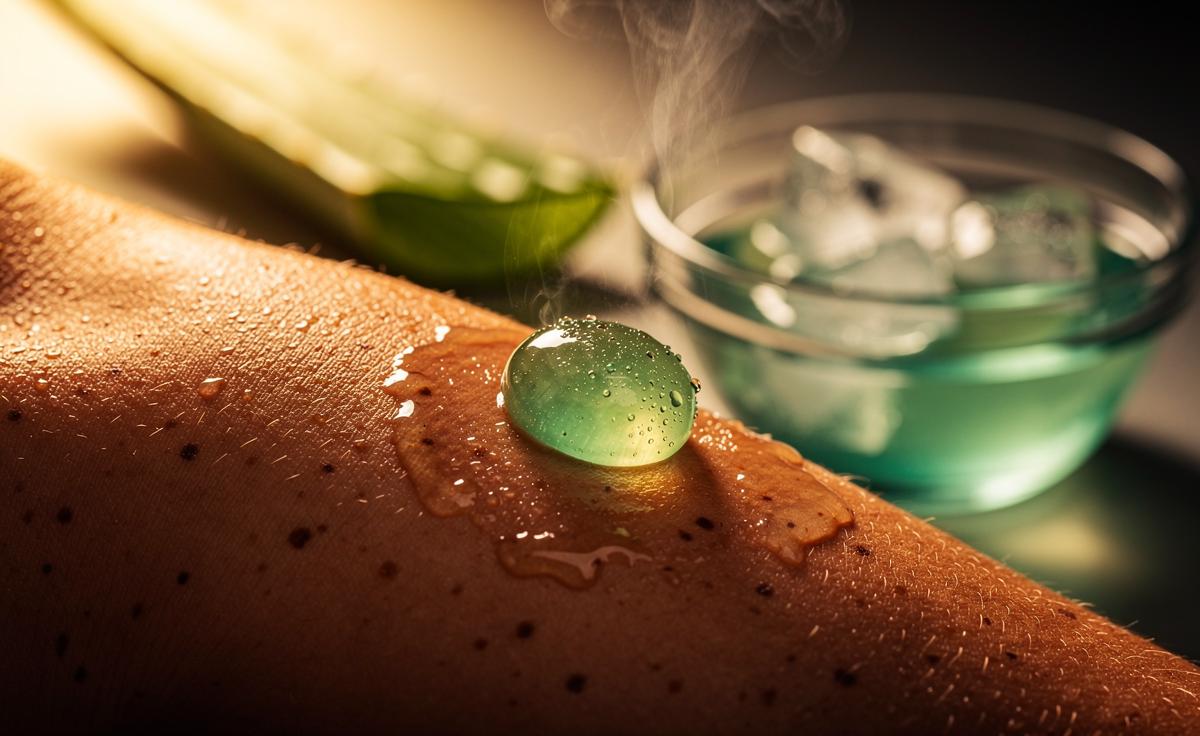
At heart, the relief from aloe vera gel is thermodynamics meeting skin biology. Fresh aloe is roughly 98–99% water, which absorbs heat and fuels gentle evaporative cooling on contact with hot, inflamed skin. As the water phase lifts away, the remaining matrix—especially polysaccharides like acemannan—forms a light, breathable film. That film reduces transepidermal water loss while keeping oxygen and micro‑circulation active. The result: fast cooling now, and hydration that helps the outer barrier knit itself back together over the next 24–48 hours.
Sunburn involves a cascade of inflammation. Aloe’s bioactives appear to modulate that response in mild burns, easing redness and tightness while supporting re‑epithelialisation. Its slightly acidic pH can also help nudge the skin’s mantle back towards normal after UV stress. Crucially, pure, fragrance‑free aloe keeps the formula simple when your barrier is most reactive. Think of it as a first‑aid hydrator rather than a cure‑all: excellent for heat and moisture balance, supportive for comfort, but not a substitute for broad‑spectrum SPF or medical care in severe cases.
| Component | Primary Role | What That Feels Like |
|---|---|---|
| Water (98–99%) | Heat absorption and evaporative cooling | Immediate temperature drop, sting relief |
| Polysaccharides (e.g., acemannan) | Moisture film, barrier support | Less tightness, smoother feel |
| Phyto‑compounds (anthraquinones, vitamins) | Soothing and antioxidant support | Milder redness over time |
Step-by-Step: The Aloe Vera Gel Trick That Works
For instant relief, timing and temperature matter. Chill your aloe vera gel in the fridge for 30 minutes. Begin with a 5‑minute cool (not icy) shower or compress to lower skin temperature. Pat dry—don’t rub. Apply a generous layer of aloe using clean hands, spreading in one direction to avoid friction. Leave it on for 15–20 minutes as the water phase evaporates. If the burn still feels hot, fan gently; airflow speeds evaporation and intensifies the cooling.
After that first layer absorbs, reapply a thinner coat every few hours on day one. At night, once heat is controlled, you can “sandwich” the gel: a layer of aloe, then, after five minutes, a small amount of bland, fragrance‑free moisturiser to seal in water without trapping heat. Avoid heavy occlusives (rich balms, petrolatum) in the first 12–24 hours; they can lock in heat. If you’re cutting a leaf from a houseplant, drain the yellow latex (aloin) by standing the cut end upright for 10 minutes, then rinse—this reduces irritation risk.
On assignment in Brighton last July, I watched a lifeguard hand a surfer a chilled sachet of aloe from the first‑aid kit. Fifteen minutes later, the surfer’s feedback matched the textbooks: “sting down, tightness eased.” The trick wasn’t the brand—it was the cold, the layer, and the patience to let evaporation do its work.
Why Pure Aloe Isn’t Always Better: Pros vs. Cons
Purity sounds virtuous, but skin needs more than ideals when it’s inflamed. Pros of high‑quality, minimalist aloe: it’s cooling, low‑friction, and unlikely to clash with compromised skin barriers. Cons: fresh‑cut leaves can carry irritant latex if not drained; ultra‑stripped gels may lack stabilisers and spoil fast; and some shop formulas sneak in alcohols or perfumes that sting on contact. The smartest choice is often “simple, stabilised, and fragrance‑free,” not “raw at all costs”.
Scan the INCI list. Ideally, “Aloe Barbadensis Leaf Juice” appears near the top, followed by water, gentle gelling agents, and safe preservatives (to prevent contamination on wounded skin). Sidestep products listing denatured alcohol, menthol, added colour, or citrus oils—cooling sensations that mask irritation. If you adore your windowsill plant, keep it hygienic: use a clean knife, drain latex, and refrigerate unused leaf segments in a sealed container for 24–48 hours only.
- Best for day 0–1: chilled, fragrance‑free aloe vera gel in light layers.
- Best for day 2+: add a gentle moisturiser to maintain hydration.
- Avoid: occlusive balms early on, perfumed “after‑sun,” and unstrained latex.
From Windowsill Plant to First-Aid Staple: Safety and Evidence
In UK burn aftercare, the priorities are cooling, rehydration, and protection. Aloe supports the first two in mild sunburn and minor, superficial burns. If you see blistering larger than a £2 coin, spreading redness, fever, or intense pain, seek medical advice—those signs suggest deeper injury or infection. For garden‑to‑skin use, patch‑test a small area first, especially if you have eczema or known latex sensitivity. Never apply aloe to broken, oozing skin without clinical guidance.
Evidence snapshots from dermatology literature suggest aloe can shorten healing time for superficial burns and reduce discomfort, though results vary with product quality and burn depth. In practice, consistency wins: cool early, layer lightly, and keep the skin gently hydrated over several days. Storage matters too. Refrigerate your gel; cold enhances efficacy and extends shelf life. For bottles, choose opaque or UV‑protected packaging, and look for a clear PAO (period‑after‑opening) symbol.
| Label Cue | What It Signals |
|---|---|
| Aloe Barbadensis Leaf Juice high in list | Meaningful aloe content for cooling and film‑forming |
| Fragrance‑free / Alcohol‑free | Lower sting risk on compromised skin |
| Opaque bottle, PAO shown | Better preservation and clarity on shelf life |
Finally, remember prevention: broad‑spectrum SPF 30+, re‑applied, protective clothing, and shade. Aloe is plan B, not Plan A.
Used with a cool head—literally—aloe’s watery matrix and soothing sugars buy time for your skin to right itself after too much sun. The “instant” part is the chill and evaporation; the “healing” comes from barrier‑friendly hydration over the next few days. Keep it simple, clean, and patient, and the gel will earn its place in your summer kit. As UK beach days lengthen, will you stock a fridge‑cold tube of aloe vera gel alongside your SPF, or try harvesting from a home plant—and how will you keep that ritual safe and sustainable?
Did you like it?4.5/5 (24)