In a nutshell
- 🧠 Food labels can instantly reshape choices by compressing nutrition into quick cues—traffic lights, per 100g comparisons, and Reference Intakes (RI)—creating a fast decision scaffold at the shelf.
- 🔎 Decode in 10 seconds: prioritise sugars, saturates, salt, calories; always compare by per 100g; check fibre/protein for fullness; remember RIs are guides, not rules, and aim for greens (e.g., sugars ≤5g/100g, salt ≤0.3g/100g, saturates ≤1.5g/100g).
- ⚖️ Pros vs. Cons: Pros—instant comparisons, smarter swaps, better nutrient value. Cons—misleading “low-fat” highs in sugar, unrealistic portions, number fixation. Mitigate by scanning ingredients and aiming for patterns, not perfection.
- 🛒 A one-week trial flips habits fast: choose cereals ≤5g sugars/100g, pick yoghurt with no red lights, and swap one snack for a green/amber option; most notice fewer slumps and lighter trolleys by week’s end.
- 🎯 Keep it actionable: use a simple rule—two greens and no more than one red per product—and treat labels as navigation beacons to guide realistic, sustainable swaps.
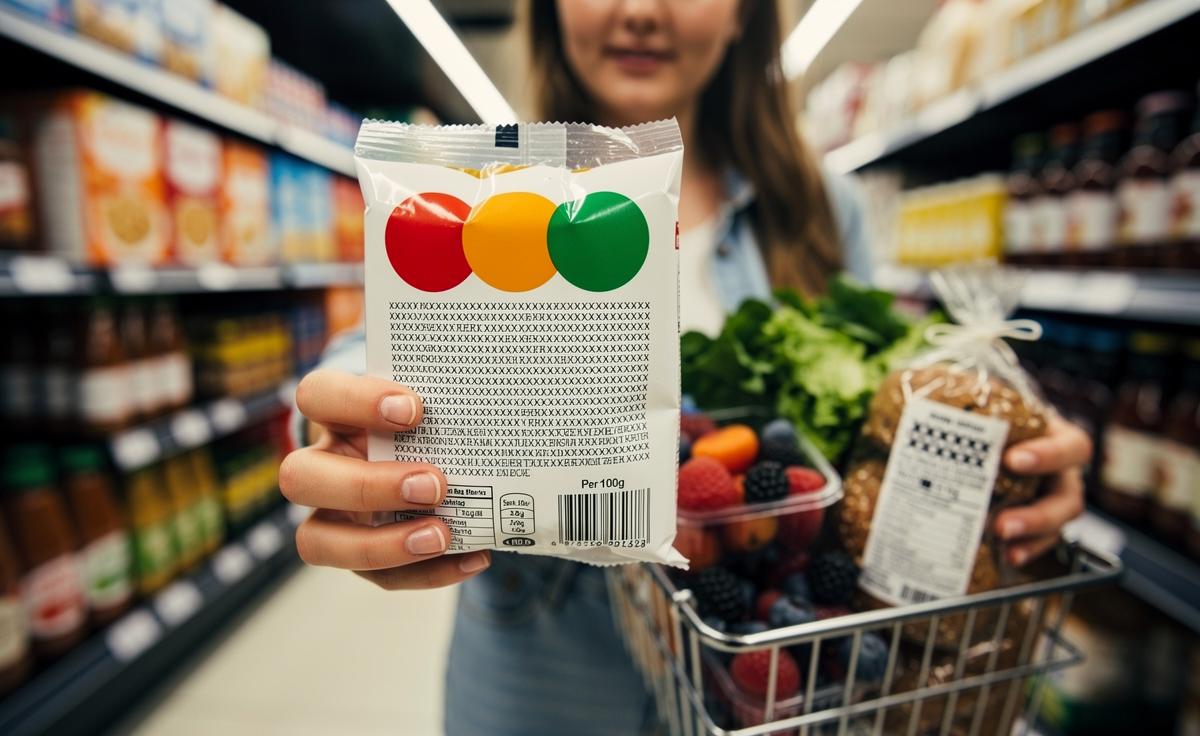
Flip a packet, read a label, and something quietly powerful happens: your next bite changes. In the UK, the traffic-light front-of-pack system places red, amber, green signals on sugar, salt, fat, and saturates, translating nutrition into snap judgments at the shelf. That visual nudge, paired with per-100g figures and Reference Intakes, shrinks the gap between good intentions and what actually lands in your basket. Because labels turn fuzzy health goals into concrete numbers, they can shift habits in a single shop. As a reporter who’s spent years in supermarkets and kitchens, I’ve seen that when shoppers learn one or two label shortcuts, they spend differently, cook differently—and often feel better within days.
The Psychology: How Labels Rewire Split-Second Choices
We don’t browse aisles like scientists; we browse like humans with deadlines. Labels work because they compress complex nutrition into cues our brains can use fast. Colour coding taps into instant pattern recognition—too much red, and you pause. Per-100g data makes like-for-like comparisons possible, short-circuiting brand hype. And portion-based numbers can be motivating if portions are realistic. In those five seconds before you toss a product into your basket, the label becomes a decision scaffold.
Consider Leah in Leeds, who told me she swapped her “healthy” cereal after noticing a red sugar light and 22g per portion once milk was added. She didn’t swear off treats; she bought a lower-sugar granola and added fruit at home. That’s the mechanism in action: reframing, not restriction. Three triggers consistently shift choices on the spot:
- Anchors: Green lights become the default target; reds are a speed bump.
- Comparators: Two similar products, one with fewer reds—choice made.
- Identity cues: “I’m a label-checker now” is sticky, especially after one good swap.
Decoding the UK Label: What Matters in 10 Seconds
You don’t need a nutrition degree; you need a filter. Start with the front-of-pack traffic lights, then sanity-check the back panel. Always compare products by per 100g figures to avoid portion-size tricks. For a fast scan, prioritise sugar, saturated fat, salt, and calories. Then glance at fibre and protein if you’re aiming for fullness. If the pack shows % of Reference Intake (RI), remember it’s a guide based on typical needs—useful but not gospel.
| Nutrient | Red/Amber/Green Signal | Why It Matters | Quick Swap Tip |
|---|---|---|---|
| Sugars | Green usually ≤5g/100g | High sugar spikes energy; watch sauces and cereals. | Pick unsweetened versions; add fruit for sweetness. |
| Saturates | Green usually ≤1.5g/100g | Linked to higher LDL cholesterol. | Choose lower-fat dairy or plant-based spreads. |
| Salt | Green usually ≤0.3g/100g | Excess raises blood pressure; check breads and soups. | Look for “reduced salt” lines; season at home. |
| Calories | Check per 100g and per portion | Calorie density drives overeating without fullness. | Swap fried snacks for baked or air-popped options. |
Two golden rules: Compare similar products side by side using per 100g, then check if the portion is realistic for you. Finally, scan fibre: 3g or more per serving suggests better satiety, especially in breads, cereals, and pulses.
Pros vs. Cons: Why Label Reading Isn’t Always Better
Label literacy has clear upsides—but it isn’t magic. Used well, it’s a sharp tool; used blindly, it can mislead. Here’s the balanced view.
- Pros:
- Instant comparisons cut through marketing noise.
- Small swaps (yogurt, cereal, bread) compound over a week.
- Helps budgeters trade price for nutrient value more rationally.
- Cons:
- “Low-fat” can mean higher sugar or additives.
- Portion sizes may be unrealistic; %RI can understate intake.
- Focus on numbers can obscure overall diet quality.
Mitigations are simple. Prioritise patterns, not perfection: aim for mostly greens, ambers in moderation, and reds deliberately. Scan ingredients: if sugar or glucose syrup tops the list, reconsider. And remember that whole foods often outcompete “engineered” low-this or no-that options. In short, use labels as navigational beacons, not rigid laws.
A One-Week Experiment: Instant Habits That Stick
Try this newsroom-tested challenge and watch your choices flip by tomorrow. Day 1, do nothing—just photograph what you buy. From Day 2, apply three micro-rules: (1) cereals with ≤5g sugars per 100g, (2) pick the yogurt with no red lights, (3) swap one snack for a green/amber alternative. The aim is momentum, not martyrdom.
- Breakfast: Swap honeyed granola for high-fibre flakes; sweeten with berries.
- Lunch: Choose soup under 0.3g salt per 100g; add a handful of beans.
- Dinner: If sauce is red for sugar, dilute with passata and herbs.
- Snacks: Replace crisps showing red for fat with baked or air-popped options.
- Drinks: Switch one sugary drink to sparkling water with citrus.
By the weekend, most people report fewer afternoon slumps and slightly lighter trolleys. Keep a note: which labels surprised you, which swaps felt effortless? The diary makes the behaviour visible—and the habit sticky. If motivation dips, set a simple floor: two greens and no more than one red per product, most of the time.
Reading food labels isn’t a chore; it’s a quiet advantage. Between colour cues, per-100g comparisons, and a few hard lines on sugar and salt, labels translate values into action at the point of choice. Master three rules and you’ll change what you buy today—and what you eat tonight. From there, confidence grows, and the weekly shop starts to feel less like guesswork and more like strategy. Which single label rule will you test on your next trip, and what’s the first product you’ll swap because of it?
Did you like it?4.7/5 (26)