In a nutshell
- 💷 Freeze leftovers to save: Build a budget “buffer stock,” cut takeaways and top-up shops, and pocket an estimated £600–£900/year after modest freezer running costs.
- ❄️ Freeze smart: Practise portion control, clear labelling (dish/date/size), cool within two hours, use flat bags or shallow tubs, maintain a fridge-door inventory, and rotate via first-in, first-out.
- 🍲 What freezes well vs not: Stews, curries, chilli, soups, grains, beans, dough, and bread freeze well; fried foods, salads, and creamy dishes often don’t—freeze curry sans dairy and add yoghurt later; treat cooked rice with extra care.
- 🔥 Reheat safely and deliciously: Heat until piping hot, defrost in the fridge or microwave then cook immediately, and revive flavour with lemon, herbs, nuts, or a splash of cream; undercook pasta/potatoes pre-freeze for best texture.
- 🧭 Habits over hardware: Start small, avoid overfilling massive freezers, schedule “freezer forage” nights, and enjoy the psychological win of predictable, low-waste meals.
In a cost-of-living crunch, the simplest savings often hide in plain sight. Freezing leftovers transforms yesterday’s roast, curry, or pasta bake into tomorrow’s no-fuss lunch—and a meaningful dent in your weekly spend. Think of your freezer as a savings account for food: every labelled tub defers another shop, another takeaway, another wasted quid. According to UK waste campaigners, households bin edible food worth hundreds of pounds each year; redirect even half of that into frozen meals and you’ll feel the difference by month’s end. Beyond thrift, there’s convenience: batch cooking once, eating well for days, and rescuing evenings from the tyranny of last-minute cooking.
Why Freezing Leftovers Is a Budget Power Move
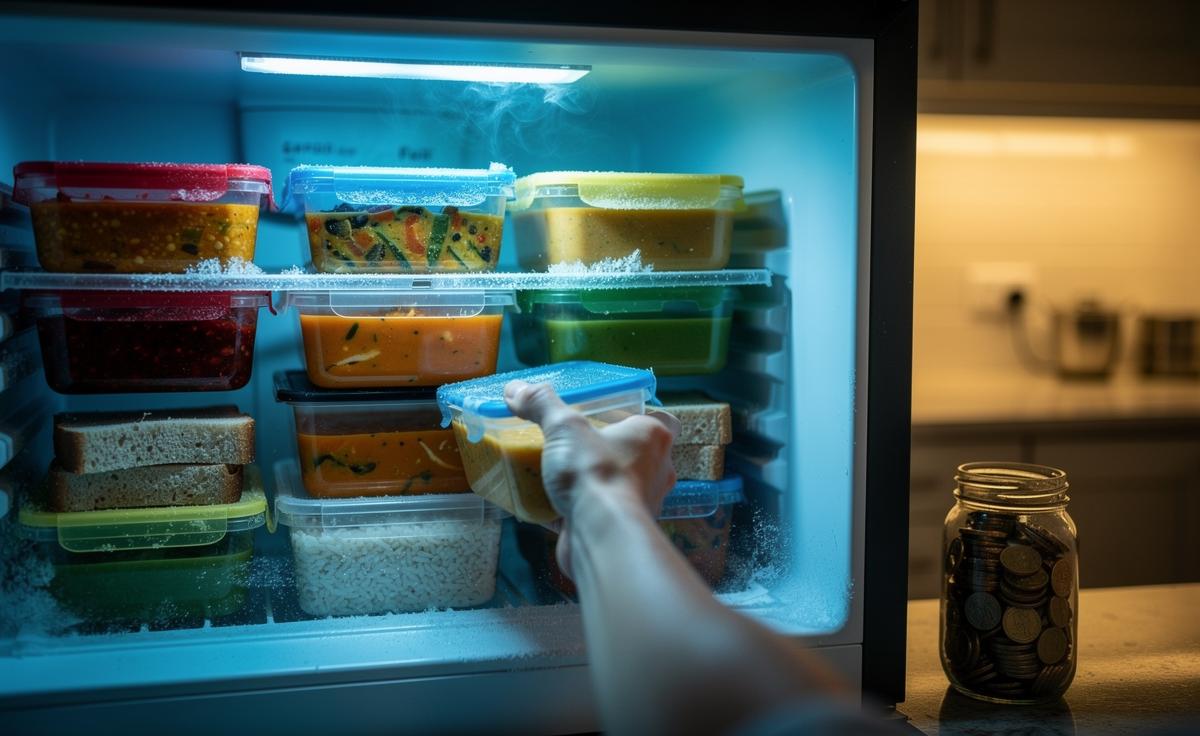
Freezing leftovers creates what economists would call a “buffer stock”: a ready reserve that smooths peaks in food prices and troughs in energy. Every portion you freeze is a promise you won’t pay twice for the same hunger. UK households waste ample edible food annually, often because we cook generously then fail to plan the second act. The freezer changes that script. A Sunday chilli stretched to six portions can deliver four future meals at essentially zero extra cost, reducing midweek temptation to splurge on delivery.
Consider a quick calculation. If you divert just three portions a week into the freezer—say two lunches and one dinner—you might avoid £12–£18 in top-up shops or takeaways. Over a year, that’s £600–£900, before counting reduced impulse buys. Meanwhile, a modern freezer costs perhaps £40–£60 in annual electricity, depending on tariff and model, and you’re still well ahead. A reader in Leeds told me she saved roughly £70 a month by freezing soups and curry bases, halving supermarket dashes. Predictability is the hidden win: plan meals around what you’ve banked, not what you forgot to buy.
How to Freeze Smart: Portioning, Labelling, and Timing
The difference between a chaotic ice cave and a money-saving vault is system. Freeze in the size you actually eat. Use shallow containers or zip bags so food freezes quickly and thaws evenly; air is the enemy, so press out excess. Label clearly: dish, date, and portion size. If you batch-cook, log chilli 2/6, 3/6, etc., so you rotate fairly. And cool food fast (within two hours) before freezing to protect texture and safety.
Three habits compound savings:
- Portion control: Ladle leftovers into single or double servings to stop over-thawing and re-wasting.
- First-in, first-out: Keep newest to the back, oldest up front—your own mini supermarket.
- Menu prompts: Stick a freezer inventory on the fridge; cross off as you go.
Flash-freeze items like cooked meatballs or berries on a tray, then bag them loose for easy portioning. Freeze sauces and stocks flat in bags; they become stackable “files” that thaw in minutes. If space is tight, decant stews into reusable 250–500 ml tubs—perfect for lunch or adding to noodles or grains. A Bristol family I interviewed schedules a freezer forage night every Thursday: one microwave, one oven, one hob—three different frozen leftovers, one fast family meal, zero waste.
What Freezes Well—and What Doesn’t
Not all leftovers are equal. Dense, saucy dishes tend to freeze like a dream; crispy and creamy ones often sulk. Stews, curries, bolognese, chilli, pulled meats, soups, and cooked grains do brilliantly. So do cooked beans and lentils, pizza dough, and most breads. Fried foods lose snap; salads collapse; high-water veg can weep unless blanched. Freezing stops spoilage, but it can’t fix poor texture—so learn the keepers and the quitters.
| Item | Typical Freezer Life | Prep Tips | Approx. Saving/Portion |
|---|---|---|---|
| Beef chilli | 3–4 months | Cool fast; freeze flat; add fresh herbs after reheating | £3–£4 |
| Chicken curry | 2–3 months | Freeze without dairy; stir in yoghurt when reheating | £3 |
| Cooked rice | 1 month | Spread to cool quickly; reheat until steaming hot | £1 |
| Soup/stock | 3 months | Freeze in 250–500 ml portions | £1–£2 |
| Bread | 3 months | Slice before freezing; toast from frozen | £0.30 |
Pros vs. Cons:
- Pros: Cuts waste, cushions price spikes, saves time, supports meal variety.
- Cons: Texture trade-offs, energy use, discipline required for labelling/rotation.
Why bigger freezers aren’t always better: if you overbuy and under-rotate, you’ll create a frosty archive of good intentions. Start small, build habits, then scale.
From Freezer to Table: Reheating Safely and Deliciously
Food safety is non-negotiable. Reheat until piping hot all the way through, and avoid refreezing leftovers unless you’ve cooked them into a new dish. Defrost in the fridge overnight for stews and meat; for rush jobs, use a microwave’s defrost setting and then cook immediately. Rice demands special care: cool quickly, freeze promptly, and reheat thoroughly to steaming.
Quality tricks: add fresh elements post-thaw. A squeeze of lemon, chopped herbs, toasted nuts, or a splash of cream can revive a dish’s brightness. Starchy sauces thicken in the cold; loosen with hot stock or water while reheating. Pasta and potatoes fare better slightly undercooked before freezing; finish them in a pan with sauce later. To avoid watery veg, roast or sauté from frozen to drive off moisture.
A Manchester student shared a useful hack: portion bolognese into ice-cube trays for swift single servings—perfect for topping a jacket potato or stirring into tinned tomatoes for instant ragù. The principle is simple: freeze smart, reheat smarter.
The freezer is not just an appliance; it’s a plan. With a few rituals—portioning, labelling, rotating—you’ll turn stray leftovers into a steady stream of quick, comforting meals and measurable savings. The bonus is psychological: fewer frantic shops, more control, and a kitchen that runs on foresight rather than firefighting. Once you’ve banked a fortnight of meals, you’ll wonder how you ever coped without it. What will be the first dish you’ll batch-cook this week and squirrel away for future you?
Did you like it?4.7/5 (23)